Table of Contents
A falling tree can turn a normal day into a stressful emergency in seconds especially during Buffalo’s unpredictable storms, heavy lake-effect snow, or sudden ice events. Knowing exactly what to do in those first few minutes can protect your family, limit property damage, and make the eventual cleanup far smoother. This guide walks through the immediate steps to take, how emergency tree removal actually works, and what to expect when calling a professional crew.
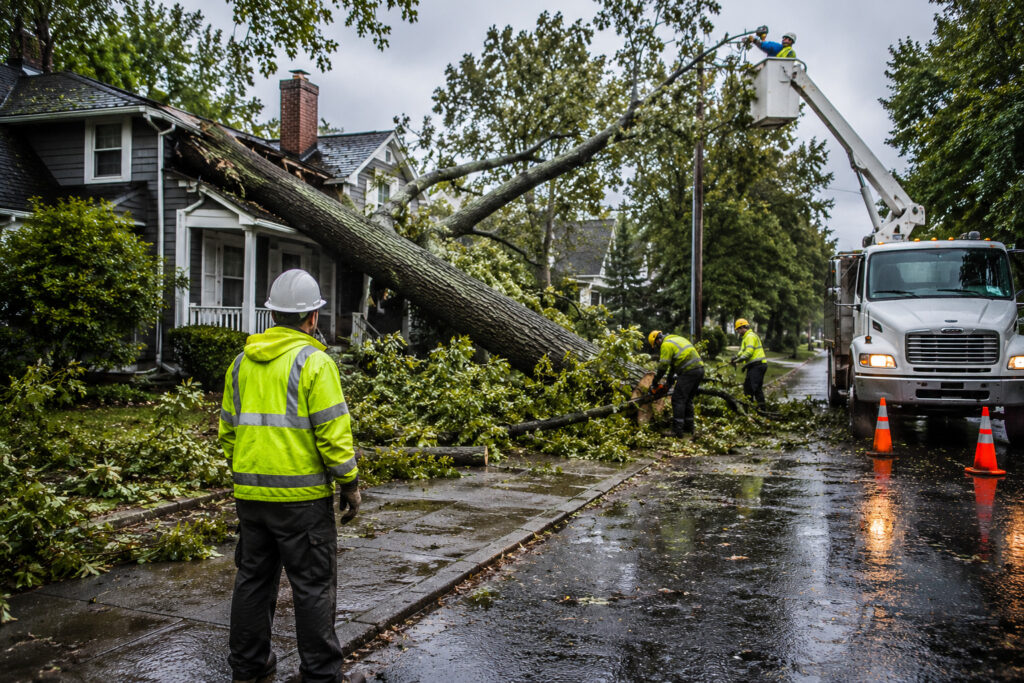
Why Trees Fall Unexpectedly in Buffalo
Western New York sees a unique combination of weather stress that puts trees at risk year-round. Understanding the causes helps explain why emergency tree removal Buffalo NY calls spike during certain seasons.
- Heavy, wet lake-effect snow accumulating faster than branches can handle
- Sudden ice storms adding significant weight to limbs and trunks
- High winds off Lake Erie stressing already weakened root systems
- Saturated soil from heavy rain loosening root structures
- Aging trees with hidden internal decay that finally gives way under pressure
Any of these conditions can turn a seemingly healthy tree into a hazard with little to no warning.
Immediate Steps to Take When a Tree Falls
The moments right after a tree comes down matter most. Staying calm and following a clear sequence keeps everyone safe while you arrange for tree removal service.
- Check for injuries first and call 911 immediately if anyone is hurt
- Stay away from the tree if it’s touching power lines — treat all lines as live and dangerous
- Contact your utility company right away if wires are involved, before touching anything nearby
- Move family members and pets to a safe distance from the fallen tree and any exposed structure
- Avoid entering damaged parts of your home if the tree has struck the roof or walls, since structural integrity may be compromised
- Document the damage with photos and video once it’s safe to do so, for insurance purposes
- Call a tree removal company that offers emergency response as soon as the immediate danger is addressed
Rushing to cut or move the tree yourself before these steps are complete is one of the most common causes of secondary injuries after a storm.
When a Tree Is Touching Power Lines
This situation deserves its own attention because it’s the most dangerous scenario homeowners face. Never assume a downed line is not energized, even if it looks inactive.
- Keep everyone, including pets, at least 30 feet away from the tree and any wires
- Do not attempt to move branches, even with a wooden pole or non-metal object
- Call your utility provider immediately to report the situation
- Wait for confirmation that power has been shut off before a tree removal service can safely begin work
- Let professionals handle the entire process once lines are involved, without exception
Professional crews performing emergency tree removal are trained to coordinate directly with utility companies in these situations, which is one of the biggest reasons DIY removal should never be attempted here.
What Emergency Tree Removal Actually Involves
Once the scene is safe, a professional crew follows a structured process designed to stabilize the situation quickly while avoiding further damage.
| Step | What Happens |
|---|---|
| Initial safety assessment | Crew evaluates the tree, surrounding hazards, and any structural damage before starting work |
| Utility coordination | If power lines are involved, work is paused until the utility company confirms it’s safe |
| Site securing | The area is cordoned off to keep people and pets clear of the work zone |
| Controlled removal | The tree is cut in sections to avoid further impact to the home, vehicles, or landscaping |
| Debris clearing | Branches and trunk sections are cleared, chipped, or hauled away |
| Temporary protection | Tarps or boarding may be used to protect exposed areas of the home until repairs begin |
This process is often completed faster than a standard scheduled removal, since emergency crews prioritize stabilizing the property first and handling full cleanup shortly after.
How Quickly Can a Crew Respond?
Response times vary depending on the scale of the storm and how many properties are affected at once, but most established companies offering tree removal Buffalo residents rely on prioritize based on severity.
- Trees resting on a home or blocking emergency access typically get the fastest response
- Trees blocking a driveway or roadway without structural contact usually follow shortly after
- Non-urgent storm damage, such as a tree down in an open yard, may be scheduled within a day or two
- Widespread storm events can extend response times as companies work through multiple emergency calls
Calling as soon as it’s safe to do so even if you expect a short wait helps get your property into the queue sooner rather than later.
What Insurance Typically Covers
Storm-related tree damage often raises questions about cost, and insurance coverage plays a significant role in what homeowners end up paying out of pocket.
- Damage to your home, garage, or other structures from a fallen tree is generally covered under standard homeowners policies
- Removal costs tied directly to clearing a tree that damaged a covered structure are often included
- A tree that falls in your yard without damaging anything is typically not covered, and removal becomes the homeowner’s responsibility
- Photographing damage before cleanup begins is important for supporting any claim you file
- Requesting an itemized invoice from your tree removal service makes the claims process considerably easier
Contacting your insurance provider early in the process, ideally before major cleanup begins, helps clarify what’s covered before you commit to paying out of pocket.
Preventing Future Emergency Situations
While storms can’t be avoided, certain maintenance habits reduce the likelihood of an emergency tree removal call down the line.
- Schedule regular inspections, especially for older or larger trees near your home
- Address dead or weak branches through pruning before they become a bigger risk
- Watch for signs of root damage or soil heaving after heavy rain
- Remove severely compromised trees proactively rather than waiting for a storm to make the decision
- Keep branches trimmed back from rooflines and power lines year-round
A little routine attention often prevents the kind of sudden failure that leads to emergency situations in the first place.
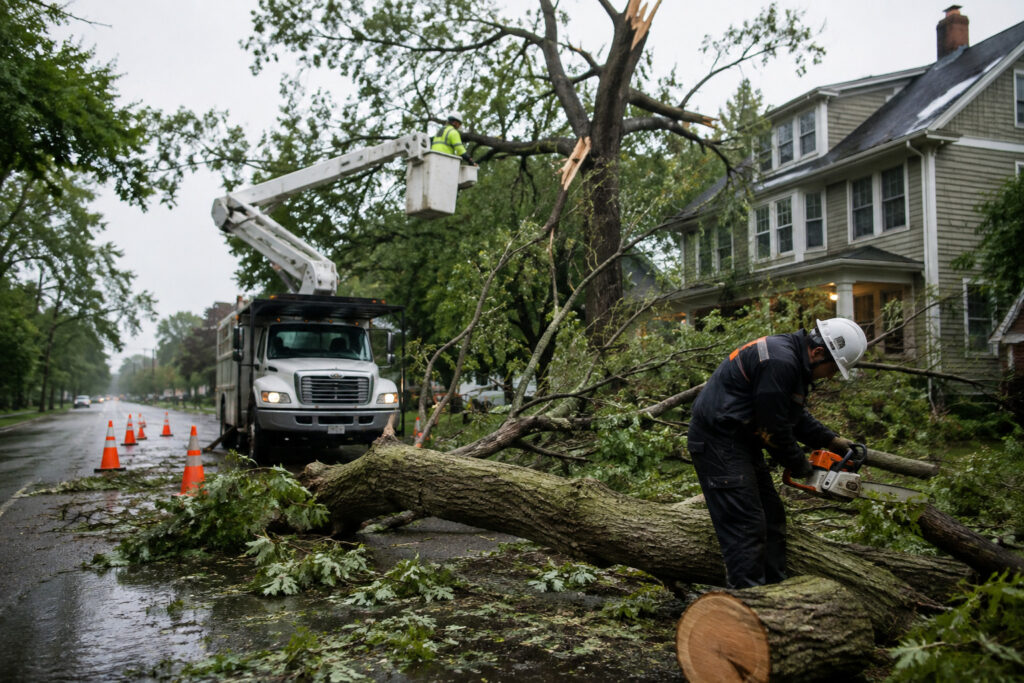
Choosing a Reliable Emergency Tree Removal Company
Not every company is equipped to handle urgent situations well, so knowing what to look for matters when you’re calling under pressure.
- 24/7 availability, especially during major storm events
- Proper licensing and insurance coverage for liability protection
- Experience coordinating with utility companies when power lines are involved
- Equipment capable of handling large or hazardous trees safely
- Clear communication about pricing, even during time-sensitive situations
Keeping the contact information for a trusted tree removal service on hand before an emergency happens saves valuable time when you actually need it.
Frequently Asked Questions
How much does emergency tree removal typically cost compared to standard removal?
Emergency service often carries a premium due to urgency, after-hours response, and unpredictable conditions, though exact pricing depends on the tree’s size and location.
Should I call my insurance company or a tree removal company first?
If anyone is in danger or power lines are involved, safety comes first call 911 or your utility provider immediately. Once the scene is safe, contacting a tree removal service quickly helps stabilize the property, and you can loop in your insurance company shortly after.
Can a fallen tree be left overnight if it’s not touching my home?
In many cases, yes, as long as it isn’t blocking access, touching power lines, or posing an immediate hazard. A professional can advise on urgency during your call.
What if the fallen tree is on a neighbor’s property but came from mine?
This can get complicated and often depends on local regulations and insurance policies. Discussing the situation directly with your neighbor and your insurance provider is a good first step.
Do emergency crews handle stump removal during the same visit?
Typically not. Emergency calls focus on removing the immediate hazard, with stump grinding usually scheduled separately once the situation is stabilized.
How can I tell if a tree is at high risk of falling before a storm hits?
Warning signs include visible leaning, cracks in the trunk, dead branches, or fungus at the base. A professional inspection ahead of storm season can catch risks before they become emergencies.

Ashwin Kumar
Our certified team has served the Buffalo metropolitan area since 2020, specializing in safe tree removal, storm response, and tree health consultation.
Need a Tree Removal Estimate in Buffalo?
Certified crew. Free estimates. 24/7 emergency response across Western NY.

