Table of Contents
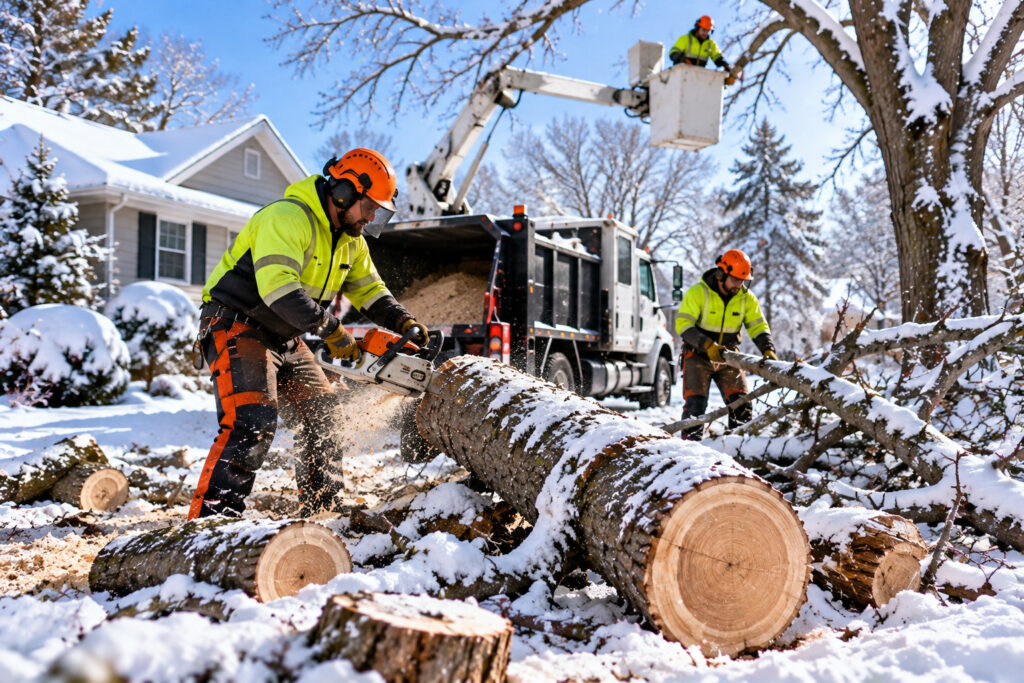
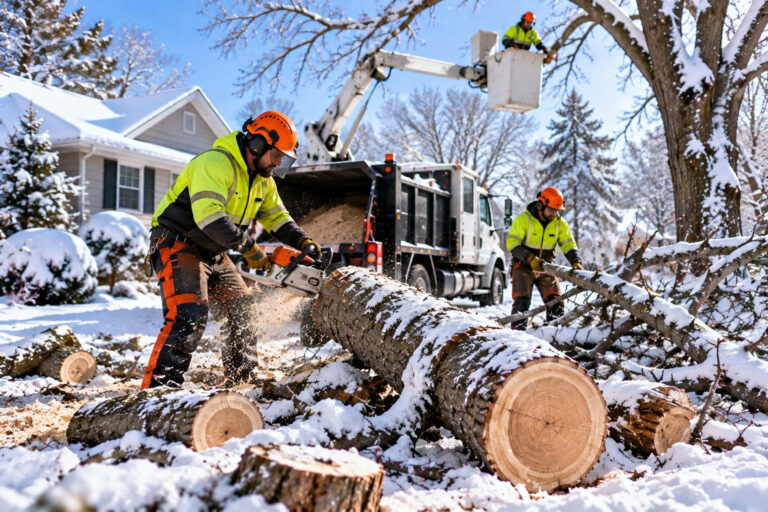
The wind dies down, the sky clears, and you step outside to see what the night left behind. A limb across the driveway. A split trunk leaning toward the fence. Maybe something much worse resting on the roof. In those first quiet minutes, most people feel the same mix of relief and dread. Knowing how storm damage tree removal works, and what to do before anyone picks up a saw, can keep a bad night from turning into a worse week.
This guide walks through how to size up the damage, what to handle yourself, and how to hire the right crew for tree removal Buffalo NY homeowners can trust after a windstorm.
What Strong Winds Do to Trees
Wind does not just knock trees over. It twists them, bends them, and strains the places where branches join the trunk. Gusts off Lake Erie can be sudden and powerful, and trees that stood for decades can fail in a single event.
Here is how wind typically damages trees:
- Snapping branches and tearing limbs away from the trunk
- Splitting the trunk, especially where two stems join
- Uprooting the whole tree, often after heavy rain has softened the soil
- Loosening roots without toppling the tree, leaving a hidden hazard
- Stripping bark and leaving wounds that invite decay
Some of this damage is obvious. Some of it hides until the next storm, which is why a careful inspection matters even when nothing seems to have fallen.
A Safe Look Around Your Property
Before you do anything else, take a slow walk around the yard, staying well back from anything that looks unstable. Look up as well as down.
Check for:
- Broken branches hanging in the canopy
- Cracks or splits in the trunk
- Trees leaning more than they did yesterday
- Soil that has lifted or cracked near the base
- Limbs resting on roofs, fences, cars, or wires
- Debris scattered across the lawn that may be hiding other hazards
If anything is touching a power line, stop right there. Stay far away, keep others back, and call your utility company.
Which Situations Cannot Wait
Some storm damage is urgent, and some can be scheduled. This table helps you decide.
| What You See | Recommended Action | Urgency |
|---|---|---|
| Tree or large limb on the house | Call a crew right away, keep everyone clear | Very high |
| Branch tangled in power lines | Call the utility first | Very high |
| Hanging limb above a driveway or walkway | Prompt storm damage tree removal | High |
| Leaning tree with lifted roots | Inspection as soon as possible | High |
| Fallen tree in the open yard | Scheduled cleanup | Moderate |
| Small broken branches on the ground | Handle yourself if safe | Low |
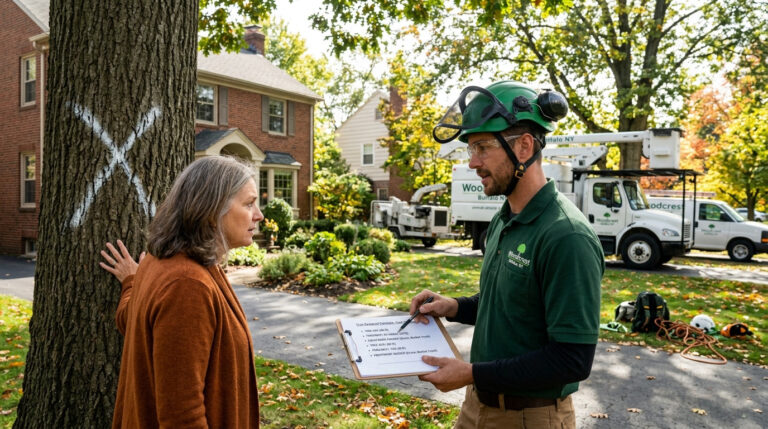
A reputable company offering tree removal Buffalo NY residents rely on will help you sort out which category fits and will tell you honestly if something can wait.
Why Storm Damaged Trees Are So Dangerous to Cut
A tree that has fallen or split is rarely at rest. Wood under tension holds stored force, and cutting it the wrong way can make it spring, roll, or kick back without warning. A trunk resting on a roof or another tree is even trickier, since removing one piece can shift the whole load.
This is why storm damage tree removal is different from ordinary cutting. Trained crews study how the wood is stressed before they make a single cut, and they use rigging to control where each piece goes.
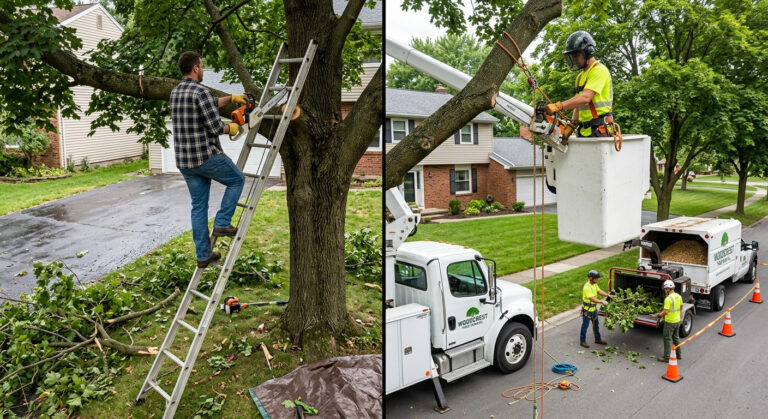
Please Do Not Try These at Home
After a storm, good intentions send a lot of people to the emergency room. Skip these:
- Climbing onto a damaged roof to inspect it
- Using a chainsaw on a tree under tension
- Standing beneath hanging limbs
- Moving anything near a power line
- Hiring someone who knocks on your door and asks for cash upfront
Small, light branches on the ground are usually fine to move with gloves and care. Anything large, high, or leaning on a structure belongs to professionals.
How Professional Storm Damage Tree Removal Works
Every site is different, but a safe response usually follows these steps:
- Assessment: The crew checks for wires, structural damage, and unstable wood before cutting.
- Securing the area: People, pets, and vehicles are moved away from danger.
- Planning: Experienced climbers or operators choose the order of cuts.
- Controlled removal: The tree is taken apart in sections and lowered or lifted away.
- Temporary protection: If the roof or fence is damaged, a tarp or cover may be placed.
- Cleanup: Brush and logs are cleared so your yard is usable again.
Choosing a Crew After a Storm
Storms attract all kinds of contractors, and not all of them are equipped or insured. Before you agree to anything, look for:
- Proof of liability insurance and workers’ compensation coverage
- A written estimate, even if it is short
- A local address, phone number, and verifiable reviews
- Trained climbers and proper equipment
- No pressure to sign immediately or pay in full upfront
- Straight answers about what is urgent and what is not
Be careful with anyone who shows up unannounced. A trustworthy provider of tree removal Buffalo NY neighbors recommend will usually have more calls than they can handle, not a need to knock on doors.
Documenting Damage for Insurance
Good records make the claims process easier. Before anything is moved, take photos and short videos of the tree, the damage, and the surrounding area. Note the date and time, and keep every estimate and receipt. Insurance policies differ widely, and coverage can depend on what the tree hit and how it fell, so contact your provider early and ask what they need.
What Affects the Cost
Nobody enjoys a surprise bill, so it helps to know what drives the price of storm damage tree removal:
- The size and height of the tree
- Whether it is on a structure, near wires, or in open space
- How hard it is to get equipment into the yard
- The amount of cleanup and hauling involved
- Whether the work is urgent or can be scheduled
An on-site estimate is always more reliable than a number quoted over the phone.
Permits and Public Property
If a tree sits in the public right of way, such as along the street, check with the City of Buffalo or your local municipality about who is responsible. Some areas also have rules about private trees. In urgent situations crews often make things safe first, but it is wise to confirm requirements once the danger has passed.
Getting Ready Before the Next Windstorm
You cannot stop the wind, but you can reduce the damage it does. A few steps in advance go a long way:
- Have mature trees inspected, especially those near the house
- Remove dead or hanging branches
- Thin crowded limbs so wind passes through more easily
- Take down trees that are dying or structurally unsound
- Keep branches clear of roofs and power lines
- Save the number of a trusted company before you need it
Planned work is calmer and usually cheaper than emergency work, and good tree removal Buffalo NY homeowners schedule ahead of the season often prevents the damage in the first place.
Working With Woodcrest Tree Removal
When winds leave a mess, Woodcrest Tree Removal puts safety first. If you call us about storm damage tree removal, we ask a few quick questions, tell you what to avoid, and explain what happens next. On site, we assess the danger before cutting, protect your property where we can, and walk you through the plan in plain language.
For tree removal Buffalo NY homeowners need after a storm, our approach is simple: honest advice, careful work, a clear estimate, and a yard left cleaner than we found it.
Frequently Asked Questions
What is storm damage tree removal?
It is the safe cutting and clearing of trees or limbs that have been broken, split, or toppled by wind, ice, or heavy snow, especially when they threaten people or property.
How soon should I call after strong winds?
Call right away if a tree is on a structure, blocking an exit, or touching wires. For less urgent damage, an inspection within a few days is usually reasonable.
How much does tree removal Buffalo NY storm cleanup cost?
Price depends on tree size, location, access, and how much cleanup is needed. A written estimate after an on-site visit is the best way to know your total.
Should I call the utility company or a tree crew first?
If wires are involved, call the utility company first and stay far away. Once the area is cleared as safe, a tree crew can proceed.
Does homeowners insurance cover storm damage to trees?
Coverage depends on your policy and what the tree damaged. Contact your provider quickly and keep photos and records.
Can a leaning tree be saved after a storm?
Sometimes, but not always. A professional can tell whether the roots and trunk are sound or whether removal is the safer choice.
Be Ready Before the Next Storm Hits
Strong winds will come again, and the best time to find a reliable crew is before you need one. Contact Woodcrest Tree Removal today to schedule an inspection, ask questions, and know exactly who to call when the weather turns.

Ashwin Kumar
Our certified team has served the Buffalo metropolitan area since 2020, specializing in safe tree removal, storm response, and tree health consultation.
Need a Tree Removal Estimate in Buffalo?
Certified crew. Free estimates. 24/7 emergency response across Western NY.