Table of Contents
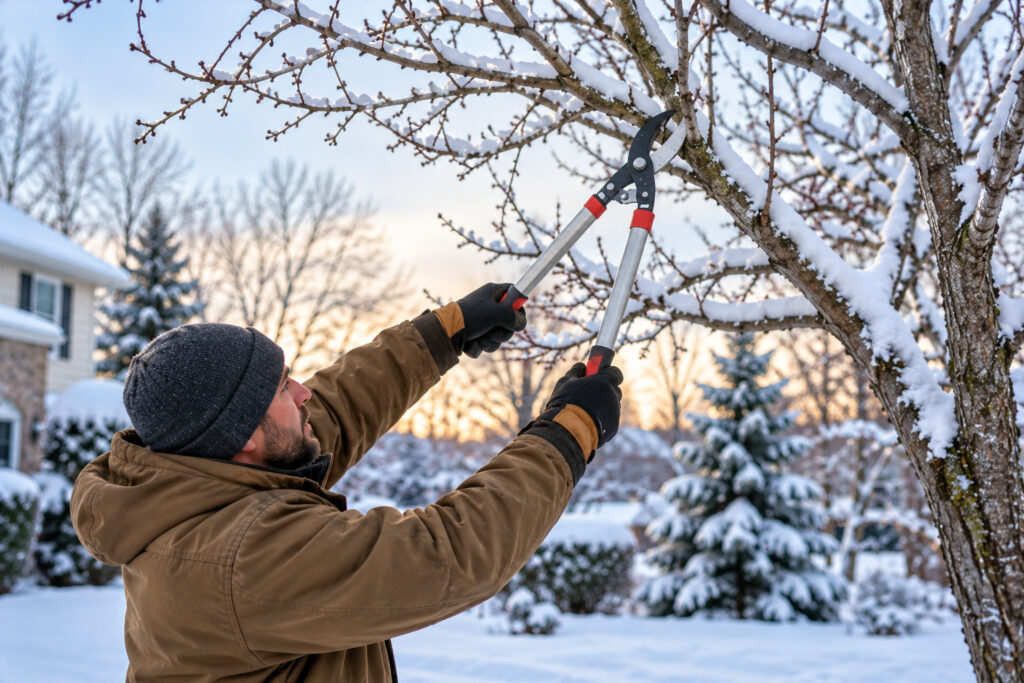
Fall is one of the most important times of year to evaluate the health and shape of the trees on your property. As leaves drop and branch structure becomes visible, it’s easier to spot problems that summer’s full canopy tends to hide. Many homeowners aren’t sure whether their trees need tree pruning, tree trimming, or something more serious and understanding the difference can save both money and the long-term health of your trees.
This guide breaks down when tree pruning Buffalo NY homeowners typically need versus when tree trimming Buffalo NY is the better fit, along with the warning signs that tell you which service applies to your situation this fall.
Tree Pruning vs. Tree Trimming: What’s the Difference?
These two terms get used interchangeably, but they actually serve different purposes, and knowing the distinction helps you communicate clearly with any arborist or crew you hire.
- Tree pruning focuses on the health and structure of a tree, removing dead, diseased, or crossing branches to improve growth patterns and reduce future risk
- Tree trimming is more about shape and appearance, keeping branches at a manageable size and maintaining a clean, tidy look
- Pruning often targets specific problem areas based on a tree’s internal health
- Trimming is typically performed on a regular schedule to control overall size and density
- Both practices can overlap, since a well-trimmed tree is often healthier as a result of removing excess growth
Understanding which service your tree actually needs prevents paying for cosmetic work when a structural issue is the real concern, or vice versa.
Why Fall Is the Ideal Season for This Work
Timing matters more than most homeowners realize. Fall offers a unique window that makes both tree pruning and tree trimming more effective and lower-risk.
- Trees are entering dormancy, which reduces stress on the tree from cuts and wounds
- Leaves have thinned out or dropped, making branch structure and damage far easier to see
- Insects and diseases are less active, lowering the risk of infection through fresh cuts
- Cooler temperatures mean sap flow slows down, which helps wounds close more efficiently
- Storm season is approaching, making it a smart time to remove weak branches before winter ice and snow add weight
Scheduling tree trimming or tree pruning in Buffalo NY during the fall essentially sets your trees up to handle winter conditions with far less risk of breakage.
Signs You Need Tree Pruning
Pruning becomes necessary when a tree shows signs that go beyond simple appearance and start pointing toward health or safety concerns.
- Dead or dying branches scattered throughout the canopy
- Branches that cross and rub against each other, which can create wounds over time
- Signs of disease, such as discolored leaves, cankers, or unusual bark texture
- Weak branch unions where limbs meet the trunk at a narrow, fragile angle
- A canopy that’s grown too dense, blocking airflow and sunlight to inner branches
- Branches showing early insect damage or boring holes
Left unaddressed, these issues tend to worsen, sometimes leading to branch failure during winter storms or eventually requiring full tree removal if decay spreads too far.
Signs You Need Tree Trimming
Trimming is generally less urgent than pruning but still plays an important role in keeping trees safe, attractive, and appropriately sized for your property.
- Branches extending too close to your roof, siding, or windows
- Limbs beginning to interfere with power lines or overhead utilities
- Overgrown growth blocking walkways, driveways, or views from windows
- A shape that’s become uneven or lopsided due to uncontrolled growth
- Low-hanging branches that make mowing or yard maintenance difficult
- General overgrowth that hasn’t been addressed in a year or more
Regular trimming on a consistent schedule tends to prevent many of the more serious pruning issues from developing in the first place.
What Happens If You Skip Pruning or Trimming
Neglecting either service doesn’t just affect appearance; it can lead to real structural and financial consequences over time.
- Weak or dead branches become more likely to snap under snow or ice load
- Overgrown limbs near your home increase the risk of roof or siding damage during storms
- Disease can spread more easily through a dense, poorly maintained canopy
- Trees can develop permanent structural weaknesses that eventually require full removal
- Overhanging branches near power lines create hazards that utility companies may eventually trim themselves, often less carefully than a dedicated service would
A little maintenance now is almost always less expensive than dealing with storm damage or an emergency removal later.
What to Expect During a Professional Visit
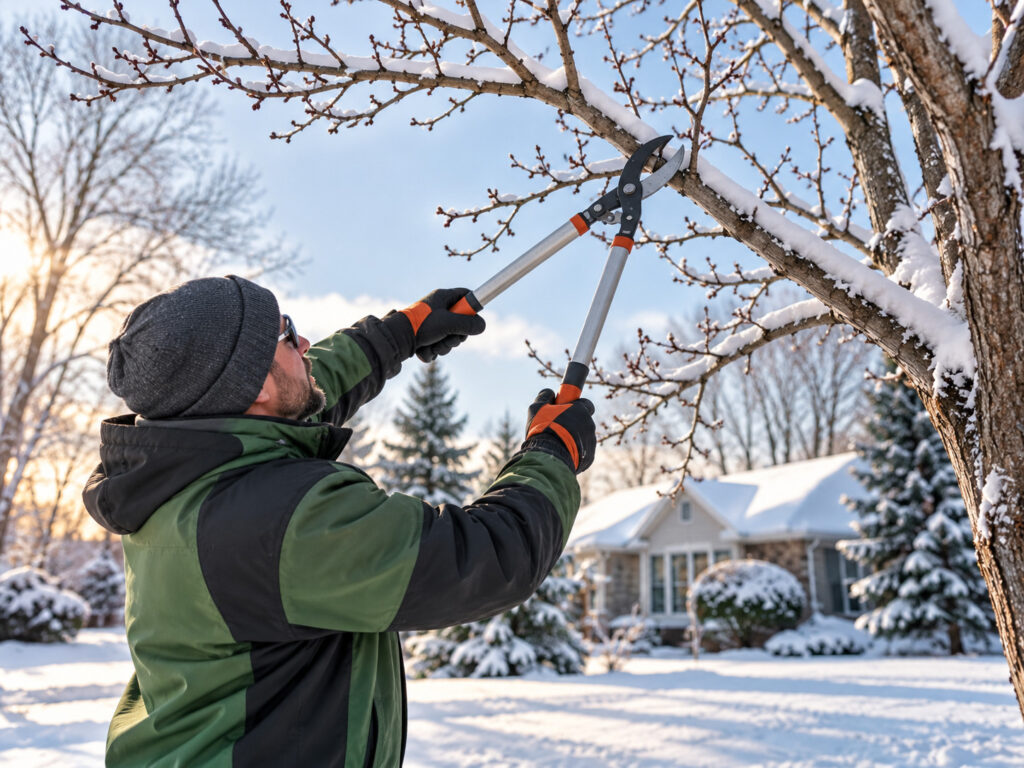
Whether you’re scheduling tree pruning or tree trimming, a professional visit generally follows a similar process.
- Assessment – An arborist walks the property and evaluates each tree’s structure, health, and any specific concerns you’ve noticed.
- Recommendation – Based on the assessment, you’ll receive guidance on whether pruning, trimming, or a combination of both is appropriate.
- Written Estimate – A clear quote outlining the scope of work, so there are no surprises once the job begins.
- The Work Itself – Careful, targeted cuts are made using proper technique to avoid unnecessary stress on the tree.
- Cleanup – Branches and debris are cleared, chipped, or hauled away depending on your preference.
Asking questions during the assessment phase, such as why a specific branch is being recommended for removal, is a normal and encouraged part of the process.
Why Local Expertise Matters for Fall Maintenance
Buffalo’s climate creates specific considerations that make local knowledge valuable when scheduling tree pruning Buffalo NY services.
- Familiarity with which species are prone to weak branch unions common in the region
- Understanding of how early snow and ice loads typically affect improperly maintained trees
- Experience recognizing regional pests and diseases that affect Western New York trees
- Knowledge of the best timing window before winter weather limits safe working conditions
A crew with local experience is better equipped to prioritize the right trees and the right cuts before the season’s first major storm arrives.
How Often Should Trees Be Pruned or Trimmed?
There’s no single answer, since it depends heavily on species, age, and location, but general guidelines help homeowners plan ahead.
- Young trees often benefit from light pruning every one to two years to establish good structure early
- Mature, healthy trees may only need trimming every two to three years
- Trees near structures or power lines often require more frequent trimming to manage growth
- Trees showing signs of disease or damage should be evaluated as soon as issues appear, regardless of schedule
Sticking to a consistent maintenance schedule tends to reduce the likelihood of needing more invasive tree pruning down the road.
Frequently Asked Questions
Is tree trimming bad for a tree if done too often?
Trimming too frequently or too aggressively can stress a tree and reduce its ability to produce energy through leaves. A professional can recommend an appropriate schedule based on species and growth rate.
Can pruning actually prevent the need for tree removal later?
In many cases, yes. Addressing dead or diseased branches early often stops a broader health decline that could eventually compromise the entire tree.
Should I prune or trim before or after leaves fall?
Many arborists prefer working after leaves have dropped, since it’s easier to see branch structure clearly, though both services can be performed safely throughout the fall season.
How do I know if a branch near my house is dangerous?
Any branch resting on or very close to your roof, especially over 4-6 inches in diameter, is worth having assessed, as wind or ice can cause it to break and cause damage.
Does tree trimming near power lines require a professional?
Yes, absolutely. Branches near power lines should only be handled by trained professionals, and in many cases the utility company needs to be involved for safety reasons.
Will pruning or trimming affect how my tree looks long-term?
When done correctly, both services should enhance a tree’s natural shape and health rather than leaving it looking uneven. Poor technique, on the other hand, can lead to awkward regrowth patterns.

Ashwin Kumar
Our certified team has served the Buffalo metropolitan area since 2020, specializing in safe tree removal, storm response, and tree health consultation.
Need a Tree Removal Estimate in Buffalo?
Certified crew. Free estimates. 24/7 emergency response across Western NY.
