Table of Contents
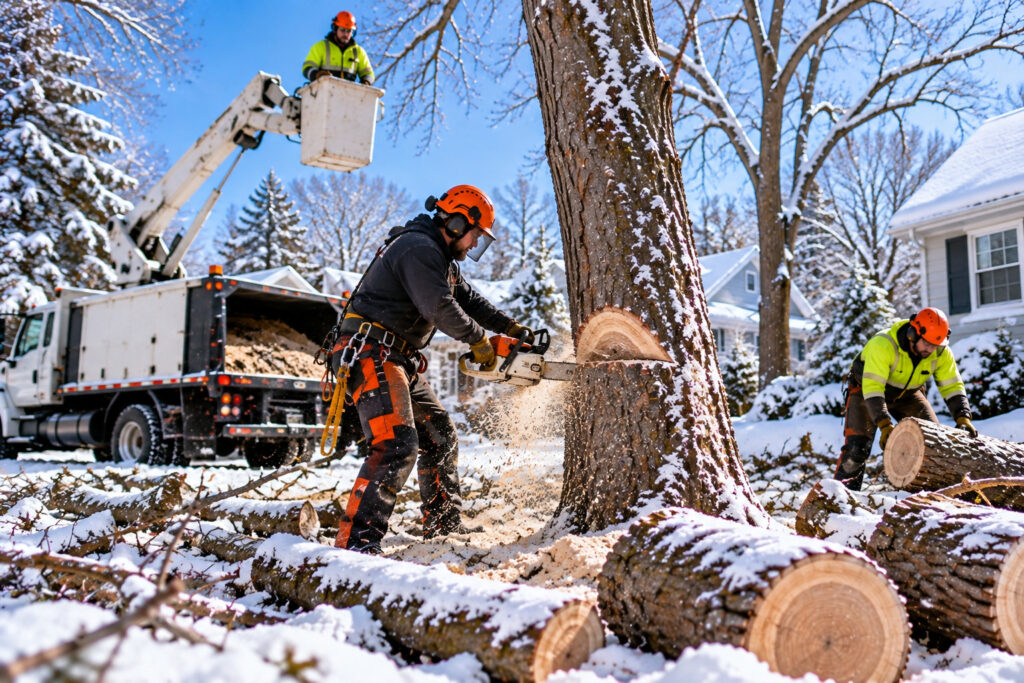
Anyone who has lived through a Buffalo winter knows the sound of a branch letting go under a blanket of wet snow. It is a slow groan, then a crack, then a thump. By morning the yard looks like a different place, and you are left wondering which trees are safe, which are not, and who to call. Understanding how Buffalo tree removal works after a heavy snowfall can help you make calm, sensible decisions instead of rushed ones.
This guide covers how snow damages trees, how to judge what you are looking at, and how to find tree removal Buffalo NY homeowners can trust when the ground is white and the branches are heavy.
How Heavy Snow Hurts Trees
Snow looks light, but wet lake effect snow is anything but. A single evergreen can hold hundreds of pounds of it, and ice makes the load even worse. Branches bend past their limit, joints split, and trunks can crack under the strain.
Common types of snow damage include:
- Broken branches that snap and fall or hang by a strip of bark
- Split trunks where two main stems meet
- Bent or bowed trees that do not spring back
- Uprooted trees when soil is saturated or partly frozen
- Torn bark and open wounds that invite decay later in the year
Evergreens such as pines and spruces collect the most snow. Brittle species such as silver maples and some willows tend to break first.
Assessing the Damage Safely
Wait until the snowfall has stopped and the wind has calmed. Then walk the yard slowly, staying well back from anything that looks unstable. Look up as well as down, because the dangerous pieces are often hanging overhead.
Check for:
- Limbs hanging in the canopy that have not fallen yet
- Cracks or splits in the trunk or at major forks
- Trees leaning more than they did before the storm
- Lifted soil or exposed roots near the base
- Branches resting on roofs, fences, cars, or wires
- Snow-covered debris that may hide other hazards
If anything is touching a power line, stay far back, keep others away, and call your utility company before doing anything else.
Can the Tree Be Saved?
Not every snow-damaged tree needs to come down. Many recover well with careful pruning, and a good crew offering Buffalo tree removal will tell you honestly when removal is not necessary. This table gives a rough idea of how different damage is usually handled.
| Type of Damage | Usual Recommendation | Urgency |
|---|---|---|
| A few broken small branches | Clean pruning | Low |
| Large limb torn from the trunk | Professional pruning or removal of the limb | Moderate to high |
| Split trunk at a major fork | Inspection, often removal | High |
| Tree leaning with lifted roots | Removal in most cases | High |
| More than half the canopy lost | Evaluation, often removal | Moderate to high |
| Tree on a house, car, or wires | Emergency response | Very high |
Every tree is different, so treat this as a starting point, not a verdict.
Signs a Tree Is Beyond Saving
Some damage is simply too severe. Removal is usually the safer choice when:
- The trunk has a deep crack that runs through the wood
- A major leader or main stem has broken away
- The root plate has lifted or the soil has heaved
- Much of the canopy is gone and the tree cannot rebuild it
- Decay or hollow areas were already present before the storm
- The tree sits close to the house or a place where people gather
A reliable provider of tree removal Buffalo NY residents recommend will walk you through what they see and explain the reasoning, rather than simply pushing for the biggest job.
What You Can Safely Do Yourself
Some cleanup is fine for homeowners. Others are better left alone. A little common sense goes a long way.
Usually safe:
- Picking up small, light branches from the lawn
- Gently brushing snow off low shrubs and young trees, working upward from the bottom
- Photographing the damage for your records
- Marking hazardous areas so family members stay away
Better left to professionals:
- Anything large, high, or leaning on a structure
- Branches near power lines
- Trees that are split, cracked, or uprooted
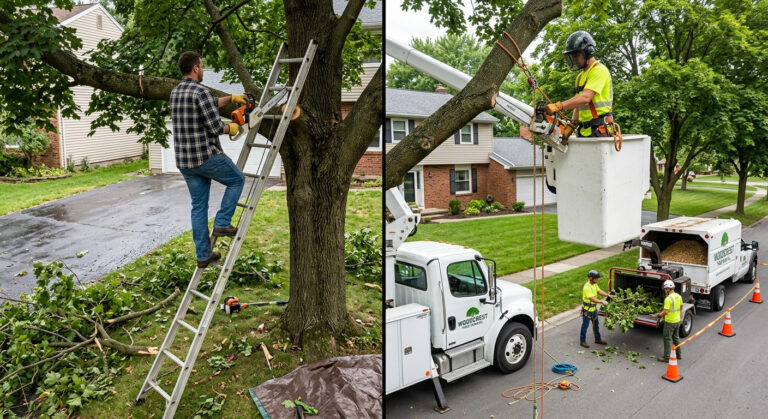
- Any work that requires a ladder and a chainsaw at the same time
Please avoid shaking or beating snow off heavily loaded branches. Frozen wood is brittle, and doing so can snap the limb or cause it to fall on you.
Why Snow-Damaged Trees Are Tricky to Cut
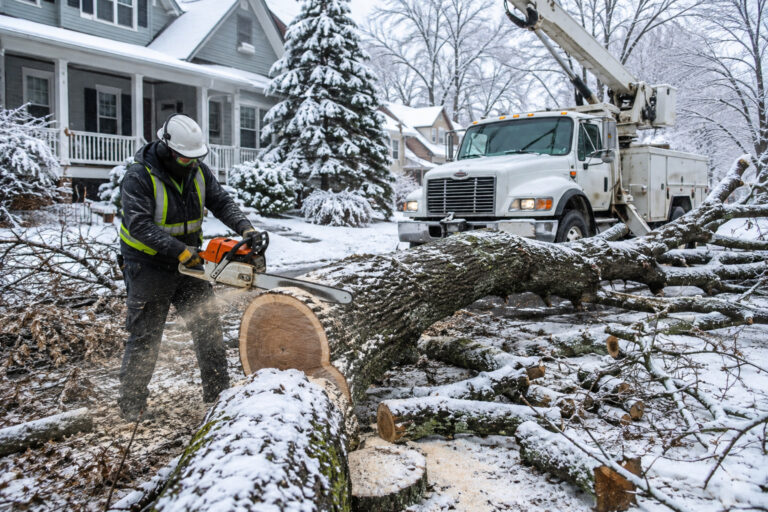
A broken tree is rarely at rest. Wood under tension stores energy, and one wrong cut can make it spring, roll, or kick back. Frozen limbs also behave differently from green ones, and slippery footing adds to the danger.
That is why Buffalo tree removal after a storm is not the same as routine trimming. Trained crews study how the wood is stressed, plan the order of cuts, and use rigging to control where each piece lands.
How a Professional Job Usually Goes
Each site is different, but a safe job tends to follow this order:
- Assessment: The crew checks for wires, structural damage, and unstable wood before any cutting.
- Securing the area: People, pets, and vehicles are moved away from danger.
- Planning: Experienced climbers or operators choose where and how to cut.
- Controlled removal: The tree or limbs are taken down in sections and lowered or lifted away.
- Protection: If the roof, fence, or landscaping is at risk, temporary cover or barriers may be used.
- Cleanup: Brush and logs are cleared so the yard is usable again.
Choosing a Crew After a Snowstorm
Big storms bring out good contractors and bad ones. Before agreeing to any work, look for:
- Proof of liability insurance and workers’ compensation coverage
- A written estimate, even a short one
- A local address, phone number, and reviews you can verify
- Trained climbers and proper equipment
- No pressure to decide on the spot or pay in full upfront
- Plain answers about what is urgent and what can wait
Be wary of anyone who knocks on your door right after a storm. A trustworthy company offering tree removal Buffalo NY neighbors rave about is usually busy answering calls, not chasing doorsteps.
What Influences the Price
Nobody enjoys a surprise bill, so it helps to know what drives the cost of Buffalo tree removal:
- The size and height of the tree
- Whether it is on a structure, near wires, or in open space
- How hard it is to reach with equipment, especially in deep snow
- The amount of cleanup and hauling involved
- Whether the job is urgent or can be scheduled
An on-site estimate will always be more reliable than a number quoted over the phone.
Insurance and Record Keeping
Good records make everything easier. Before anything is moved, take clear photos and short videos of the tree, the damage, and the area around it. Write down the date and time, and keep every estimate and receipt. Coverage depends on your policy and what the tree hit, so contact your insurance provider early and ask what they need from you.
Permits and Public Property
If the tree sits in the public right of way, such as along the street, check with the City of Buffalo or your local municipality about who is responsible. Some areas also have rules about private trees. In urgent situations crews often make things safe first, but it is smart to confirm requirements once the danger has passed.
Getting Ahead of Next Winter
Snow will come again, and a little planning shrinks the damage it can do. Consider these steps in fall:
- Have mature trees inspected, especially those near the house
- Remove dead, weak, or hanging branches before the first snowfall
- Thin crowded limbs so snow has less to cling to
- Support or cable-brace trees with known weak forks, if a professional recommends it
- Replace trees that keep failing with species better suited to heavy snow
- Keep branches clear of roofs and power lines
Planned work is calmer and usually cheaper than emergency work, and well-timed tree removal Buffalo NY homeowners schedule before winter often prevents the damage in the first place.
Working With Woodcrest Tree Removal
When a snowstorm leaves trees in trouble, Woodcrest Tree Removal puts safety first. If you call us about Buffalo tree removal, we ask a few quick questions about what happened, tell you what to avoid, and explain what comes next. On site, we assess the danger before cutting, protect your property where we can, and walk you through the plan in plain language.
Our approach to snow damage is simple: honest advice, careful work, a clear estimate, and a yard left cleaner than we found it. If your tree can be saved, we will say so.
Frequently Asked Questions
How soon should I call after heavy snow damages a tree?
Call right away if a tree is on a structure, blocking an exit, or touching wires. For less urgent damage, a prompt inspection within a few days is usually reasonable, as long as you keep people away from hazards.
Can a tree recover from snow damage?
Often, yes. Trees with minor branch loss and an intact trunk usually recover well with proper pruning. Severe trunk splits, uprooting, or major canopy loss are harder to come back from.
How much does Buffalo tree removal cost after a storm?
Pricing depends on tree size, location, access, and how much cleanup is needed. A written estimate after an on-site visit is the best way to know your total.
Is it safe to knock snow off tree branches?
Gently brushing snow off small, low branches is generally fine. Avoid shaking or hitting loaded limbs, since frozen wood is brittle and can break suddenly.
Does homeowners insurance cover snow damage to trees?
Coverage depends on your policy and what the tree damaged. Contact your provider soon after the storm and keep photos and records of everything.
Can tree removal Buffalo NY crews work in deep snow?
Yes, though snow and ice slow the work and require extra caution. Crews may adjust the plan if conditions make a task too risky.
Talk to a Crew Before the Next Snowfall
Heavy snow will test your trees again, and the best time to find a dependable crew is before you need one. Contact Woodcrest Tree Removal today to schedule an inspection, ask questions, and know exactly who to call when winter weather leaves damage behind.

Ashwin Kumar
Our certified team has served the Buffalo metropolitan area since 2020, specializing in safe tree removal, storm response, and tree health consultation.
Need a Tree Removal Estimate in Buffalo?
Certified crew. Free estimates. 24/7 emergency response across Western NY.